Understanding the Growing Value of Solar Energy
Imagine a home producing clean electricity during sunny afternoons but still relying heavily on the grid after sunset. This situation highlights why solar panels and battery storage are increasingly considered together. Solar technology allows households to generate renewable electricity, while batteries can retain surplus energy for later use. Understanding how these systems work helps property owners make informed decisions about energy costs, reliability, and environmental impact. With careful planning, the right solar setup can improve household energy management and provide greater control over electricity consumption throughout the day.
How Battery Storage Supports Household Energy Needs
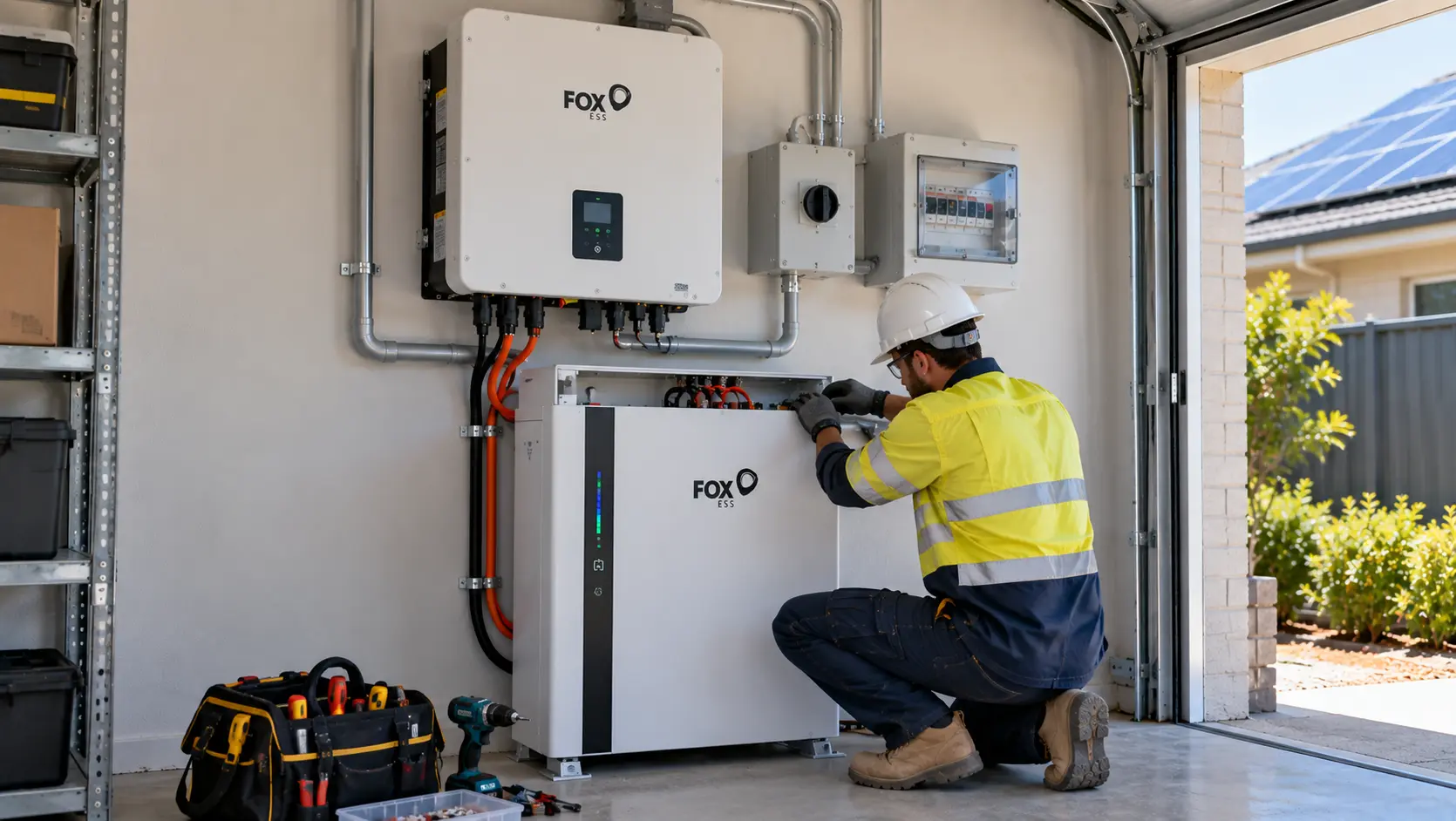
Solar panels often generate more electricity during daylight hours than a household immediately consumes. Without storage, surplus electricity may be exported to the grid, depending on the system configuration and applicable arrangements. A battery offers another option by storing some of this excess generation for later use. When researching solar battery storage in NSW, homeowners should consider their typical electricity consumption, existing solar capacity, battery size, and evening energy requirements. These factors help determine whether storage could provide meaningful benefits and how effectively a household can use the electricity generated by its solar panels.
Evaluating Electricity Usage Before Choosing Equipment
Every household follows a different energy pattern. Some families consume most electricity during daylight hours, while others use more power in the evening when heating, cooling, cooking, and entertainment systems are active. Reviewing electricity bills and available smart meter data can reveal these patterns and help establish realistic expectations. A larger battery is not automatically the best choice because its value depends on how frequently stored energy is used. Understanding daily demand also helps determine suitable panel capacity, inverter specifications, and storage requirements, reducing the likelihood of investing in equipment that does not match actual household needs.
Why Professional Solar Installation Matters
A solar energy system involves more than attaching panels to a roof. Roof orientation, shading, structural condition, electrical infrastructure, inverter compatibility, and local installation requirements can all affect its performance. When comparing solar system installation sydney options, property owners should look beyond the initial quote and consider equipment quality, installation standards, warranty coverage, and the provider's experience. A properly designed system can make better use of available sunlight while supporting household electricity needs. Professional assessment also helps identify technical limitations before installation, allowing the system design to reflect the property's characteristics and the owner's long-term energy goals.
Understanding Solar Panel Performance Throughout the Year
Solar generation changes with weather, daylight hours, roof shading, and seasonal conditions. Longer summer days may produce substantial electricity, while shorter winter days can reduce generation. Dust, debris, and unsuitable panel placement may also affect output over time. These variations matter when estimating how much electricity a solar system can provide and how much surplus energy might be available for storage. Reviewing expected generation across different seasons offers a more realistic picture than relying on peak production figures alone. Households can then plan their electricity use around likely generation patterns and adjust expectations accordingly.
Matching Battery Capacity With Household Consumption
Battery capacity should reflect the amount of electricity a household expects to use after solar production decreases. A battery that is too small may run out quickly during evening demand, while an oversized unit may remain underused for much of the year. Other considerations include usable capacity, charging and discharging limits, inverter compatibility, efficiency losses, and backup functionality. Some systems can provide electricity during certain outages, but backup operation depends on compatible equipment and appropriate installation. Comparing these details helps homeowners understand what a battery can realistically deliver rather than assuming every system provides the same capabilities.
Improving Energy Efficiency Alongside Solar Investment
Solar panels and batteries can work more effectively when combined with sensible energy habits. Running suitable appliances during peak solar production may reduce the amount of electricity purchased from the grid. Energy-efficient lighting, well-maintained heating and cooling equipment, and careful management of standby power can further lower consumption. Smart energy monitoring may help identify high-demand periods and reveal opportunities to shift usage. These improvements are valuable because reducing unnecessary electricity demand can complement renewable generation. Instead of relying entirely on additional equipment, households can often improve overall energy performance by combining suitable technology with practical everyday decisions.
Considering Costs, Incentives, and Long-Term Value
The financial value of solar and battery systems depends on installation costs, electricity tariffs, export arrangements, energy consumption, and equipment lifespan. Available rebates or incentives may change over time and can involve specific eligibility rules, so current requirements should be checked before making a purchase decision. Homeowners should compare the complete installed cost, expected maintenance, warranties, and potential electricity savings rather than focusing only on advertised prices. A realistic financial estimate should also account for seasonal changes in solar generation and future household needs. This approach makes comparisons more useful and reduces the risk of relying on overly optimistic savings projections.
Conclusion: Making a Better-Informed Solar Decision
Solar panels and battery storage can help households manage electricity consumption, make use of renewable energy, and reduce reliance on grid power when system design and usage patterns align. The best results come from assessing property conditions, comparing equipment carefully, understanding installation requirements, and planning for long-term performance. Each home has different energy needs, so professional advice and realistic cost estimates are important before proceeding. Property owners considering their options can consult Sydpro Electrical to explore suitable solar solutions and determine how a thoughtfully designed system may support their household's energy goals.
Social Media Links :-